The Parkinson’s Centre for Integrated Therapy (PCIT) at the University of Kent has published an overview of its research programme that prioritises non‑pharmacological approaches for people living with Parkinson’s.
PCIT says research is tightly linked to clinical practice and shaped by people affected by Parkinson’s, their families and carers. Studies range from small feasibility work to large Phase III trials, and the centre supports master's, PhD and commercial projects.
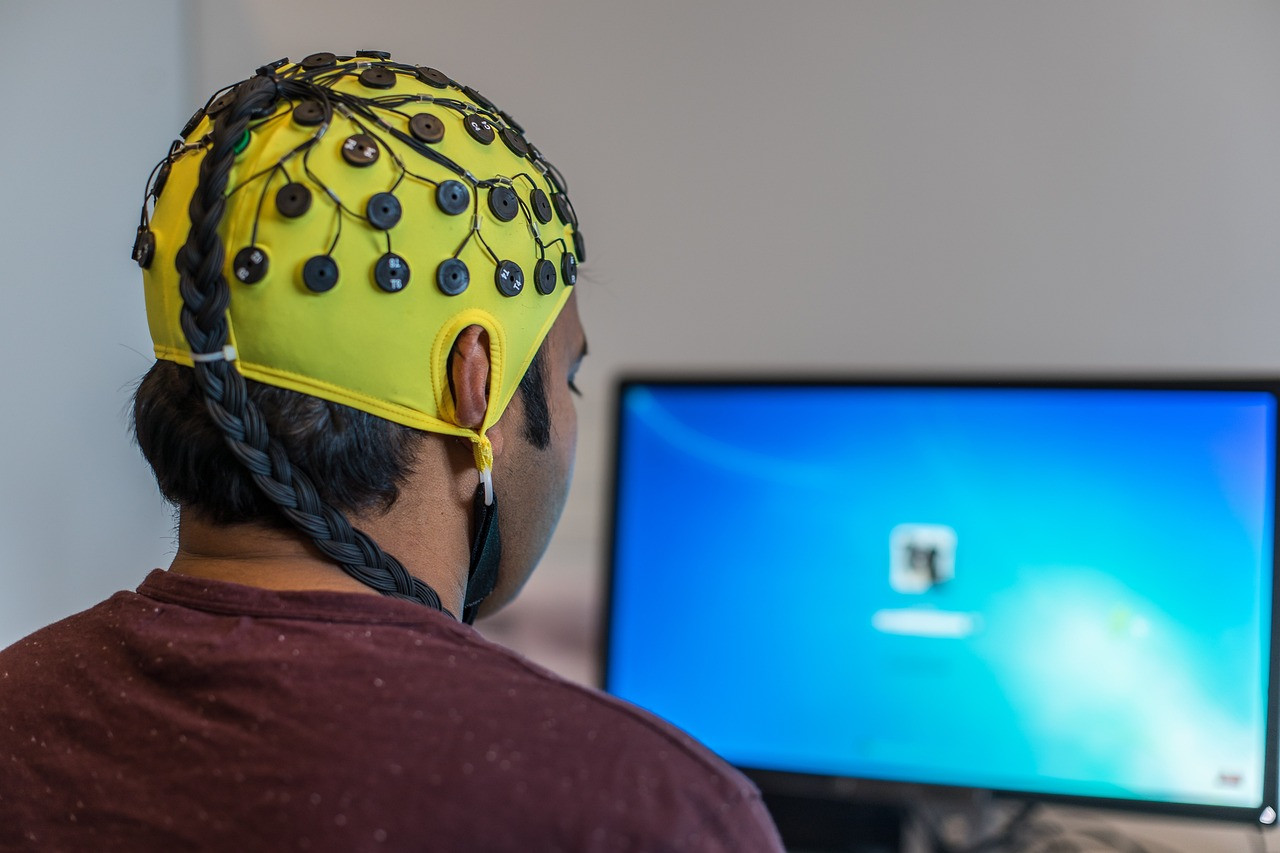
The centre lists six core research areas. These include psychological and behavioural interventions for patients and carers; non‑invasive brain stimulation such as transcutaneous auricular vagus nerve stimulation (taVNS), galvanic vestibular stimulation (GVS) and transcranial direct current stimulation (tDCS); exercise and movement studies; AI‑based and digital tools to aid self‑management; EEG and neurophysiology to link brain activity with behaviour; and sleep and autonomic measures such as the pupil light reflex.
PCIT describes its brain stimulation work as building on “20 years” of prior research and clinical impact, and says current investigations focus on feasibility, tolerability and efficacy both as standalone and adjunct treatments. The centre also emphasises participant‑centred design, noting that volunteers may take part in questionnaires, cognitive or movement tasks, exercise or device studies and service evaluations.
PCIT’s public page includes a short endorsement from patron Mark Mardell, who said he felt “proud and privileged” to support the centre. The centre invites new project proposals developed in partnership with its academic staff.
Photo credit: www.pcit.org.uk
Tags: Parkinson's disease, taVNS, tDCS, EEG, Galvanic vestibular stimulation
Topics: Non-invasive brain stimulation, Vagus nerve & taVNS, EEG & neuro-sensing headsets