A UK multicentre trial is recruiting about 270 stroke survivors to test whether daily ear-based vagus nerve stimulation (VNS) plus physiotherapy improves arm weakness, trial lead Dr Ali Ali said. The TRICEPS trial will run across 19 UK centres and asks patients to use a VNS earpiece one hour a day, five days a week, for 12 weeks alongside arm exercises.
What the trials are doing now
Ali, a neurorehabilitation expert at the University of Sheffield, said early pilot data prompted the larger study but that “we still don’t know whether the treatment works.” He warned against companies promoting untested indications and noted some trial participants have asked to buy devices before outcomes are known.
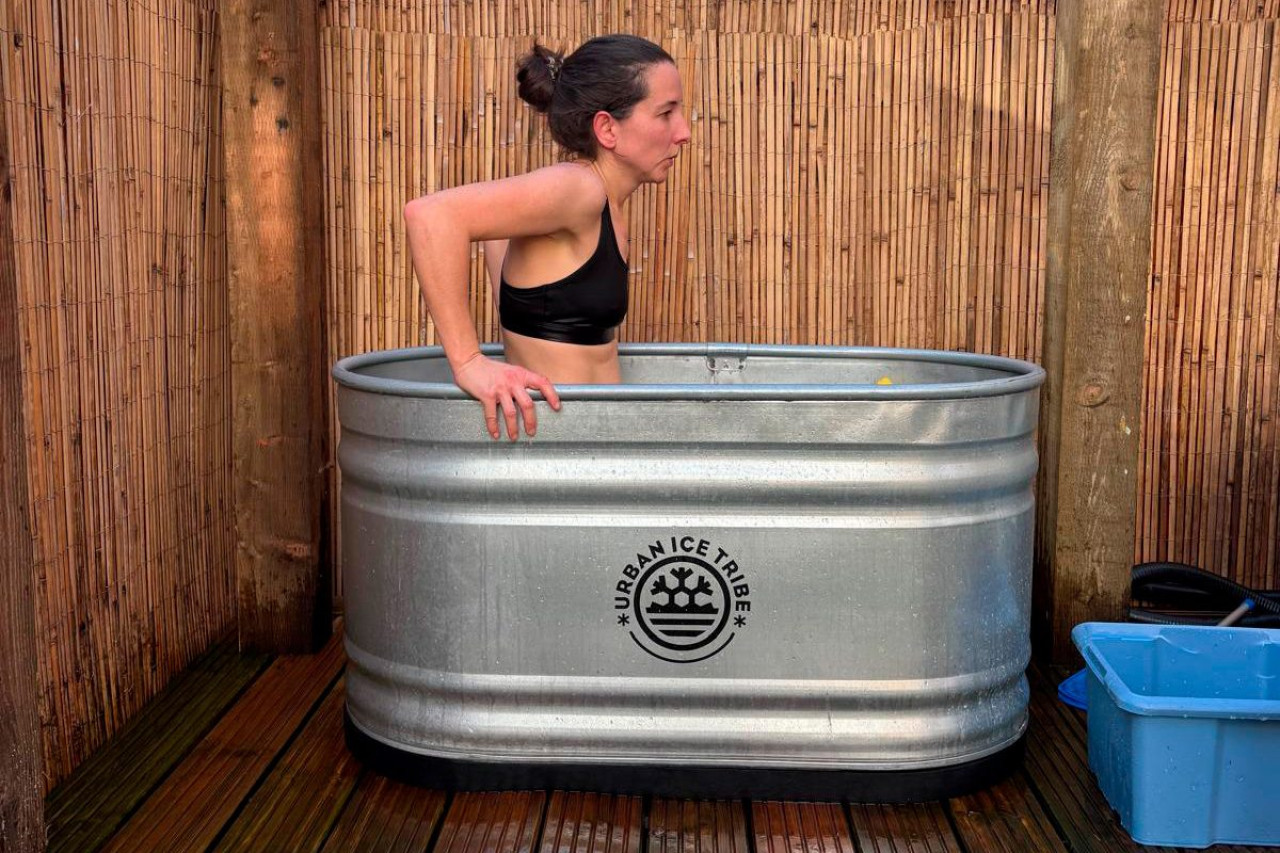
Separately, Dr Christopher Austelle at Stanford is recruiting more than 140 patients with epilepsy and depression to study external VNS devices. Austelle said results are not expected before at least the summer. His team also published a 2025 study showing that people who received ear VNS during an ice-bath immersion had a smaller rise in heart rate than controls, suggesting ear stimulation can augment the body’s ability to brake a stress response.
VNS is available in several forms. Surgically implanted VNS devices were approved in the US in 1997 for epilepsy. External devices that sit on the neck or over the ear — including the GammaCore device, approved in the US for headaches in 2017 — are marketed as lower-risk, wearable options that deliver mild tingling to vagal branches in the ear.
Researchers stress that mechanisms remain unclear. Studies commonly track heart rate variability (HRV) as a proxy for vagal activity because it’s easy to measure with fitness trackers, but HRV is only a partial readout for a nerve that affects many organs.
Not everyone endorses gadget-led fixes. Dr Sylvain Laborde of the German Sport University Cologne, who led a review of 223 slow-breathing studies, recommends slow-paced breathing as an accessible way to strengthen vagal regulation. Laborde said regular practice — reducing breaths toward about six per minute — shows consistent effects on parasympathetic control.
Researchers quoted in the trial announcements and the reporting urge caution: external VNS devices are inexpensive and widely sold, but larger, controlled trials and head-to-head comparisons with implants are still needed before broad clinical use can be endorsed.
Photo credit: c02.purpledshub.com
Tags: taVNS, vagus nerve, stroke rehabilitation, heart rate variability, wearable devices
Topics: Vagus nerve & taVNS, Neuromodulation, Wearable neurotech