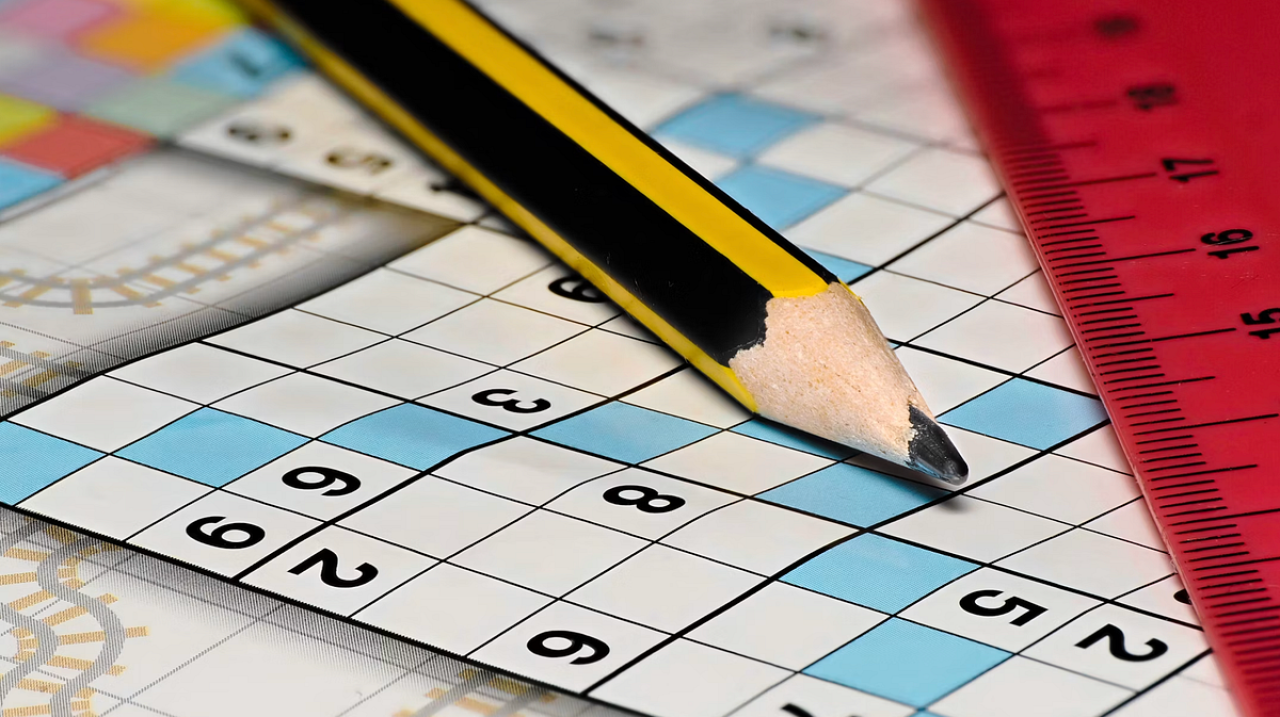
Anastasiia Ku recorded EEG with a BrainBit Mindo headband while solving Sudoku and reported a rise in theta power and a drop in beta power during the puzzles, according to her self-experiment published May 2026.
Ku ran five sessions. Each session had a roughly five-minute baseline rest, a solving period, and a roughly five-minute post-task rest. The BrainBit Mindo recorded four channels (O1, O2, T3, T4). Ku analyzed relative power across three bands—theta (4–8 Hz), alpha (8–13 Hz) and beta (13–30 Hz)—so the values show redistribution of activity (α+β+θ = 100%).
Across sessions, theta power rose during Sudoku and returned below baseline after the task. Beta power fell during the puzzles and then slightly exceeded baseline after finishing. Alpha showed only small changes. The largest single change was at T3: beta rose 9.7% and theta fell 11.1% in the post-task period compared with baseline.
Ku interprets the theta increase as a marker of internal focus or working-memory engagement and the beta dip as a shift away from external vigilance toward internal processing. She notes these are interpretations, not definitive conclusions.
This is a one-person study using a four-electrode consumer EEG device with limited spatial coverage and sensitivity. Results are not peer-reviewed and do not establish general effects of Sudoku on brain activity.
- The experiment used five sessions with ~5-minute baseline and post-task rests.
- Theta rose during puzzles; beta fell during puzzles and slightly exceeded baseline afterward.
- Findings are exploratory: n=1 and recorded with a consumer four-channel EEG.
Photo credit: miro.medium.com
Tags: consumer EEG, BrainBit Mindo, theta waves, beta waves, self-experiment
Topics: EEG & neuro-sensing headsets, Wearable neurotech, Stress, focus & mental clarity