Researchers reporting in Neurosurgery compared outcomes and resource use for staged versus simultaneous bilateral deep brain stimulation (DBS) implantation and found no meaningful difference in clinical outcomes but higher resource use for staged procedures.
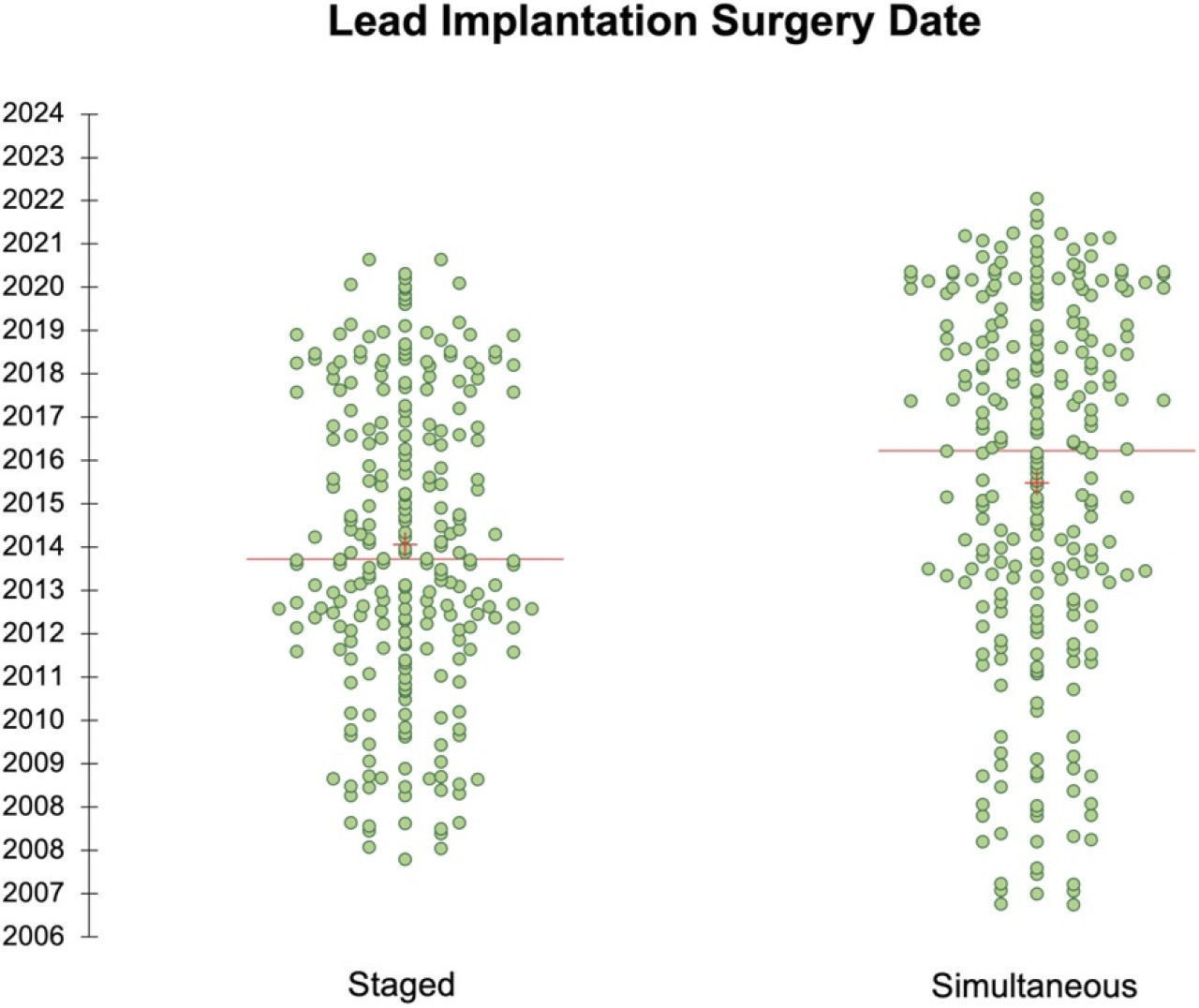
The team performed a matched analysis of 504 patients drawn from a large hospital database: 252 received staged bilateral implantation (two separate surgeries) and 252 received simultaneous bilateral implantation (both leads placed in one operation). The paper is published ahead of print; the DOI is 10.1227/neu.0000000000003893.
Baseline differences existed: the staged group was older and had slightly lower body weight, and the cohorts differed in diagnosis mix and target brain region. Despite those differences, the researchers reported no meaningful differences between approaches for surgical complications, postoperative medical problems, postoperative delirium, 30-day hospital readmissions, reduction in medication at one year, or need for another operation within five years.
The primary contrast was resource use. Staged implantation required more anesthesia events, more cumulative operating-room time, and more hospital days to complete both sides. The authors conclude that doing both leads in a single session achieves comparable clinical results while using fewer hospital resources and fewer anesthesia exposures.
The study is a retrospective matched comparison from a single hospital database. The authors present these results as evidence that simultaneous bilateral DBS can be less burdensome for patients and health systems, while producing outcomes similar to staged implantation.
Photo credit: cdn.vanderbilt.edu
Tags: deep brain stimulation, bilateral DBS, Parkinson's disease, surgical outcomes, operating room time
Topics: Deep brain stimulation, Neuromodulation, Neuroprosthetics & neural implants