Singapore-based Signsbeat is testing whether consumer wearable signals can do more than track metrics by linking them to metabolic stability. The company is running a prospective observational study with the University of Nottingham Malaysia to compare its wearable-derived composite — the "SB Score" — against glycaemic variability measured by continuous glucose monitoring (CGM).
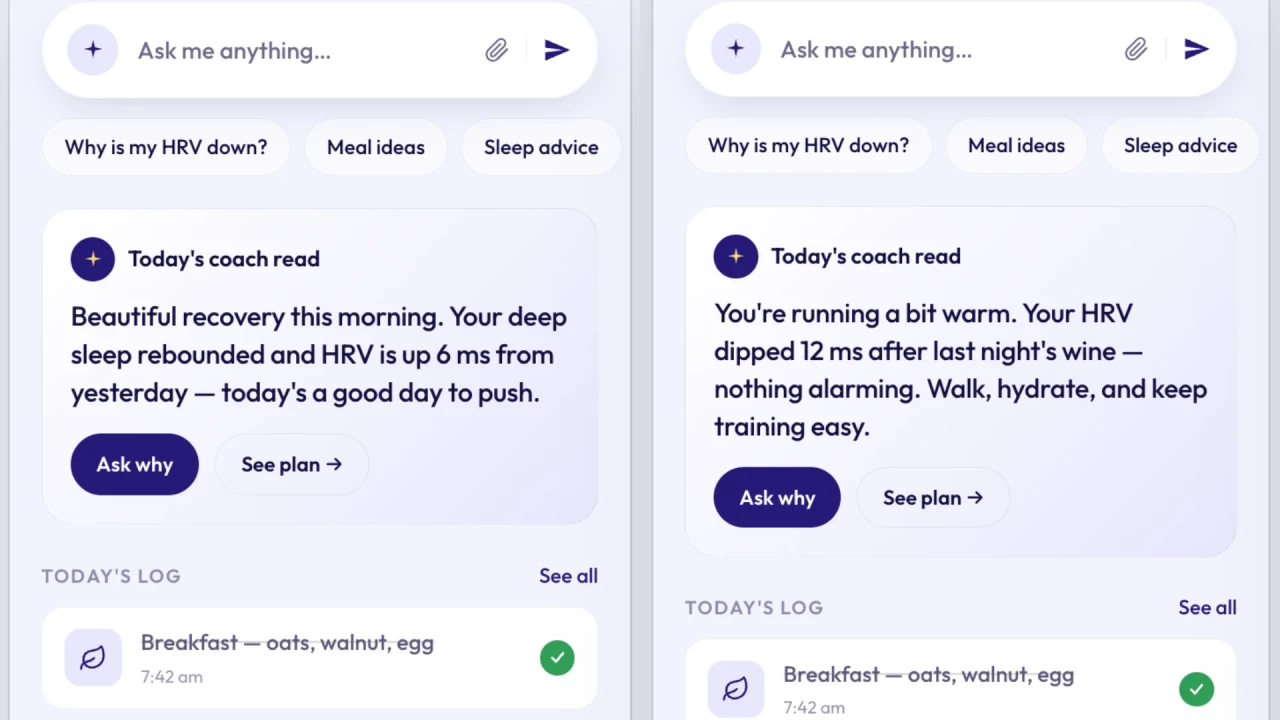
Signsbeat's Yishii platform aggregates heart rate variability (HRV), resting heart rate, sleep and activity from consumer wearables and classifies users into three physiological states: recovery, mild stress and stress. The company pairs that layer with behavioural attribution to suggest which diet, sleep or exercise inputs may be driving a user's state.
"CGM tells you what your glucose is doing. It does not tell you why," founder Edwan Chiam said. He added that the company's aim is to move from passive readiness scores to interpretation of how the body adapts over time.
Prospective observational study
The study runs 14 days of concurrent CGM and wearable monitoring in a cohort of about 50 participants. Signsbeat says the analysis is focused on identifying correlations between the SB Score and glycaemic variability, not on establishing clinical outcomes. "What we are establishing is an observational correlation," Chiam said, calling the work "hypothesis-generating" rather than predictive or diagnostic.
Signsbeat emphasises it does not aim to replace CGM. "CGM is the gold standard, and we have no intention of positioning ourselves as an alternative to it," Chiam said. The platform is positioned as an interpretive layer that links upstream physiological signals to glucose variability, rather than a direct glucose measurement tool.
Most current users are in coaching and preventive-health settings, where practitioners combine Yishii outputs with diet, supplements and exercise programmes. Signsbeat says its longitudinal, real-world data include users managing metabolic and chronic conditions, but it warns the observations should not be used to make medical decisions or replace clinical care.
The company has flagged exploratory patterns in users with autoimmune-related conditions, but frames those findings as preliminary. Initial results from the Nottingham Malaysia study are expected later this year and will guide whether Signsbeat pursues larger datasets and peer-reviewed validation.
Photo credit: www.mobihealthnews.com
Tags: wearables, continuous glucose monitoring (CGM), heart rate variability (HRV), metabolic health, observational study
Topics: Neurotech industry & startups, Wearable neurotech, Stress, focus & mental clarity