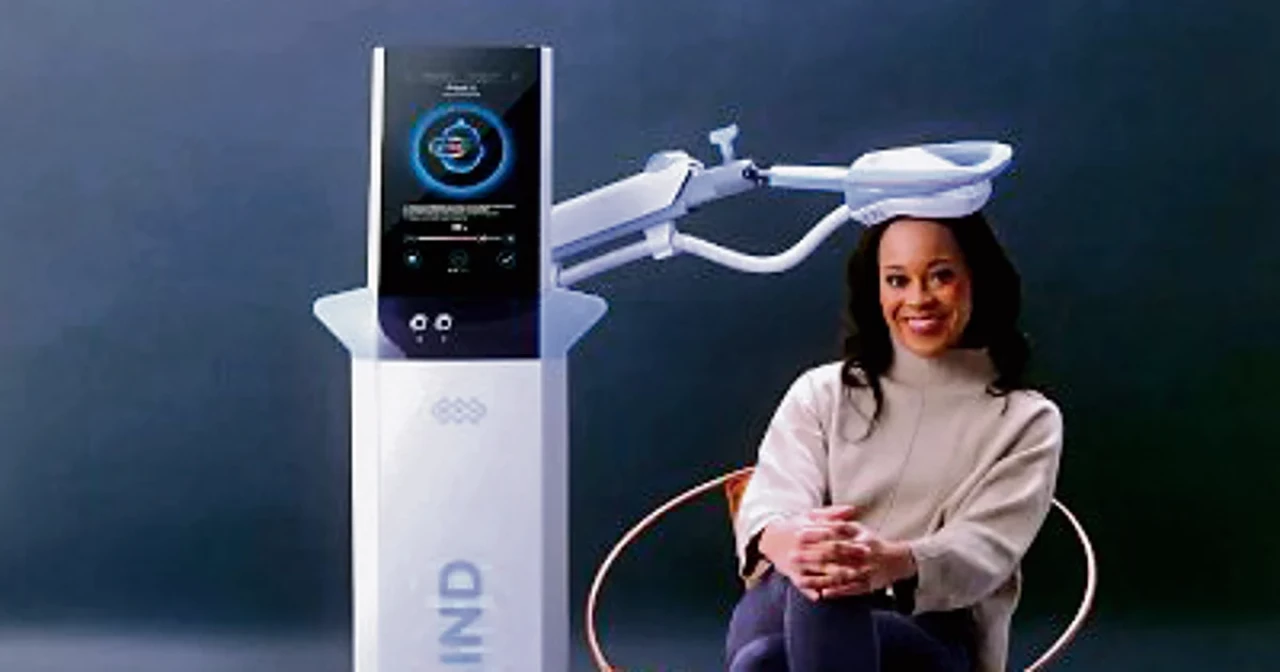
Exomind therapy is being promoted as a 30‑minute, drug‑free transcranial magnetic stimulation (TMS) treatment for depression, anxiety, menopause‑related brain fog and cravings linked to weight‑loss drugs.
Providers describe sessions as brief, nonverbal and compatible with returning to work immediately afterward. The therapy uses TMS—magnetic pulses applied to targeted brain regions—to try to activate under‑functioning areas and improve emotional regulation, according to the materials and clinicians discussing the approach.
Psychologist Pranati Kapoor framed the shift as a move toward a “neuro‑functional view of mental health,” saying distress is increasingly seen “not just as an emotional experience, but as a form of neural dysregulation—something that can be ‘recalibrated’ at a biological level.” She told BrainPatch that Exomind’s short sessions and limited verbal processing are part of its appeal to people with busy schedules.
The coverage and promotional claims do not include peer‑reviewed trial data, sample sizes or regulatory clearances. TMS is an established non‑invasive neuromodulation method in some clinical uses, but efficacy and approved indications depend on device, protocol and regulatory jurisdiction. The source for this report did not provide clinical study details for Exomind specifically.
Readers and clinicians should look for independent trial results, published outcomes and local regulatory status before treating Exomind as a substitute for evidence‑based care. Companies and clinics marketing short, medication‑free neuromodulation should be asked for study identifiers, outcome measures and safety data when those claims are used to guide treatment decisions.
Photo credit: cf-images.assettype.com
Tags: transcranial magnetic stimulation, Exomind therapy, depression, menopause brain fog
Topics: Non-invasive brain stimulation, Neuromodulation, Mental health technology