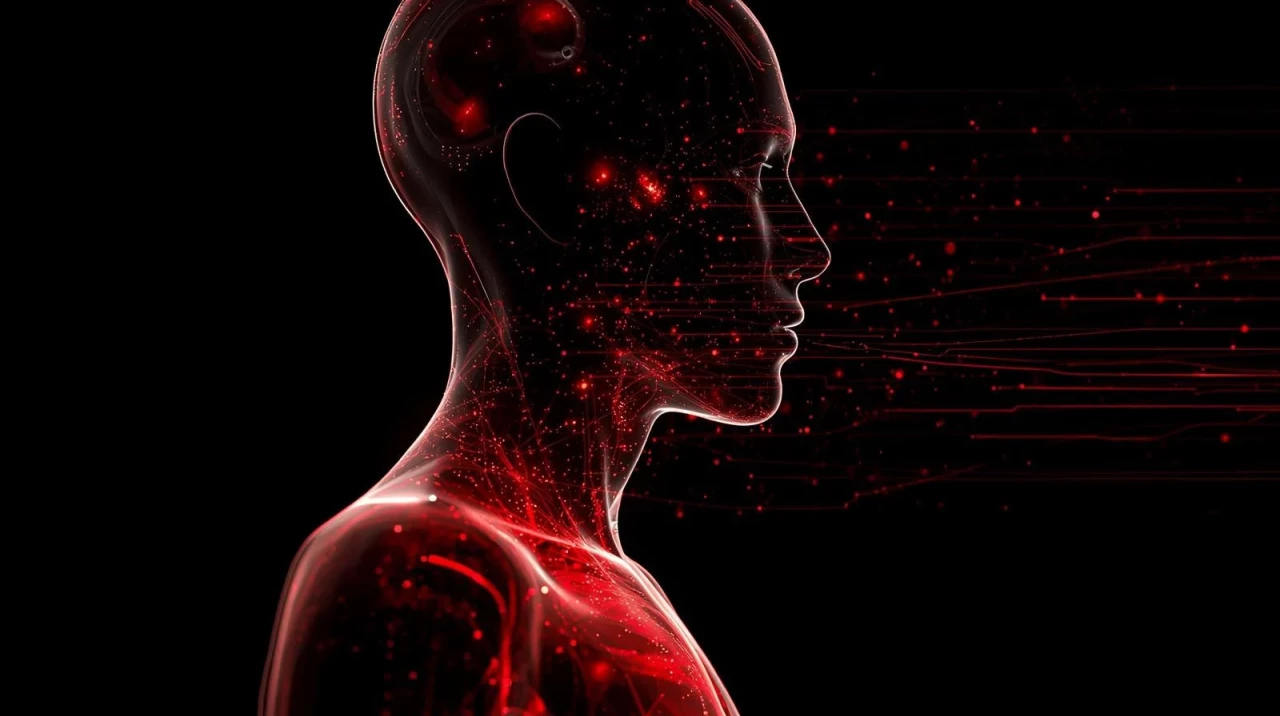
Clinical evidence now supports red and near‑infrared light therapy for specific uses, while brain‑targeted applications remain early and unproven at scale.
Photobiomodulation (PBM), the clinical term for red‑ and near‑infrared light therapy, acts on mitochondria. Light in roughly the 630–850 nm range is absorbed by cytochrome c oxidase and can increase ATP production, which helps cells repair and reduce inflammation.
Meta‑analyses and clinical reviews in recent years have narrowed the therapy’s validated uses. A 2024 meta‑analysis found faster skin wound healing. Reviews and regulatory action support pain relief in some musculoskeletal conditions; the U.S. Food and Drug Administration has authorized marketing of devices for temporary fibromyalgia pain relief. A 2025 consensus review concluded PBM is safe and effective for androgenic hair loss, and clinical guidance has included PBM for oral mucositis since 2020.
Transcranial PBM: promising signals, limited proof
Directing near‑infrared light at the skull to reach cortical tissue has produced early human and animal data showing increased neuronal ATP, reduced markers of neuroinflammation, and small improvements in attention and mood in some cohorts. These studies are small, use varied protocols, and lack long‑term follow up. The field saw an uptick in publications in 2024–2026, but standardized trials are still missing.
Claims that PBM reverses aging, detoxes cells, or broadly re‑sets metabolism outpace the evidence. The strongest effects appear in stressed or damaged tissue, not in already healthy cells. Wavelength, dose, exposure time and device calibration materially change outcomes; consumer panels often vary from clinical outputs.
Practical advice: match wavelength to target (630–660 nm for surface skin effects; 810–850 nm for deeper tissue), prefer consistent moderate dosing over single high‑intensity sessions, and use professionally maintained devices when pursuing therapeutic aims.
In short, red and near‑infrared light therapy is an established clinical tool for several specific indications and a plausible but still experimental approach for brain and metabolic targets. Precision in device selection and dosing separates supported medical use from broad consumer marketing claims.
Photo credit: www.technology.org
Tags: photobiomodulation, red light therapy, wound healing, transcranial photobiomodulation, fibromyalgia
Topics: Neuromodulation, Wearable neurotech, Neuroscience & neuroplasticity