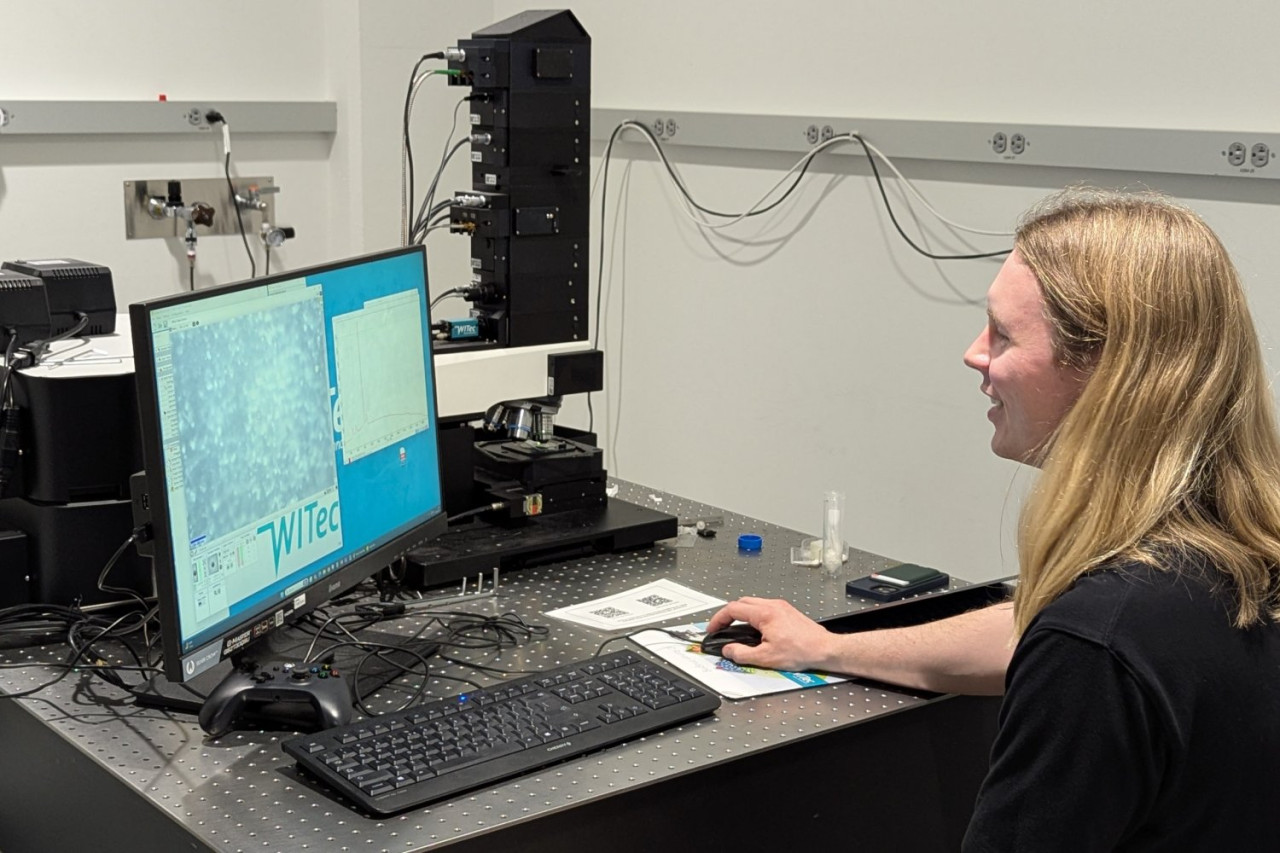
MIT.nano announced that 16 startups became active participants in its START.nano program in 2025, more than doubling the number of new companies from the previous year. START.nano gives early-stage hard‑tech ventures guided access to MIT.nano’s shared facilities and the institute’s innovation network.
The new cohort covers health, climate, energy, semiconductors, novel materials and quantum computing. START.nano now comprises more than 32 companies and 11 graduates, the announcement said. Five of the 16 incoming companies are led by MIT alumni and three more have other MIT affiliations; overall, 49% of START.nano startups are founded by MIT graduates.
"The unique resources of MIT.nano enable not just the foundational research of academia, but the translation of that research into commercial innovations through startups," said Joyce Wu, START.nano program manager.
Founders in the cohort described practical benefits. "For an early-stage startup working at the frontier of superconductor discovery, the combination of infrastructure and community has been irreplaceable," said Jason Gibson, CEO and co‑founder of Quantum Formatics. "START.nano isn’t just a resource," said Cynthia Liao, CEO and co‑founder of Vertical Semiconductor, "it’s a strategic advantage that accelerates our roadmap."
Selected companies and stated goals
Representative entrants and their intended impacts, as described in MIT.nano materials:
- Acorn Genetics — a portable, low‑cost sequencing device described as a "smartphone of sequencing."
- Cahira Technologies — developing autonomous, nonsurgical neural implants aimed at therapeutic and augmentation applications.
- Quantum Formatics — using proprietary AI to speed discovery of superconductors.
- Qunett — building hardware for deployable quantum networks.
- nOhm Devices — developing cryogenic electronics for quantum computers and sensors.
- Vertical Semiconductor — commercializing high‑voltage, high‑density vertical GaN power devices.
- Brightlight Photonics, Mantel Capture, Daqus Energy and others — working on laser photonics, high‑temperature carbon capture, and metal‑free battery cathodes, respectively.
Launched in 2021, START.nano offers discounted lab time, curated networking, and presentation slots at MIT events, including the newer PITCH.nano competition. MIT.nano said the program aims to increase survival rates for hard‑tech startups by easing prototyping and early commercialization steps.
Photo credit: news.mit.edu
Tags: MIT.nano, START.nano, hard-tech startups, neural implants, semiconductors
Topics: Neurotech industry & startups, Brain–computer interfaces, Neuroprosthetics & neural implants