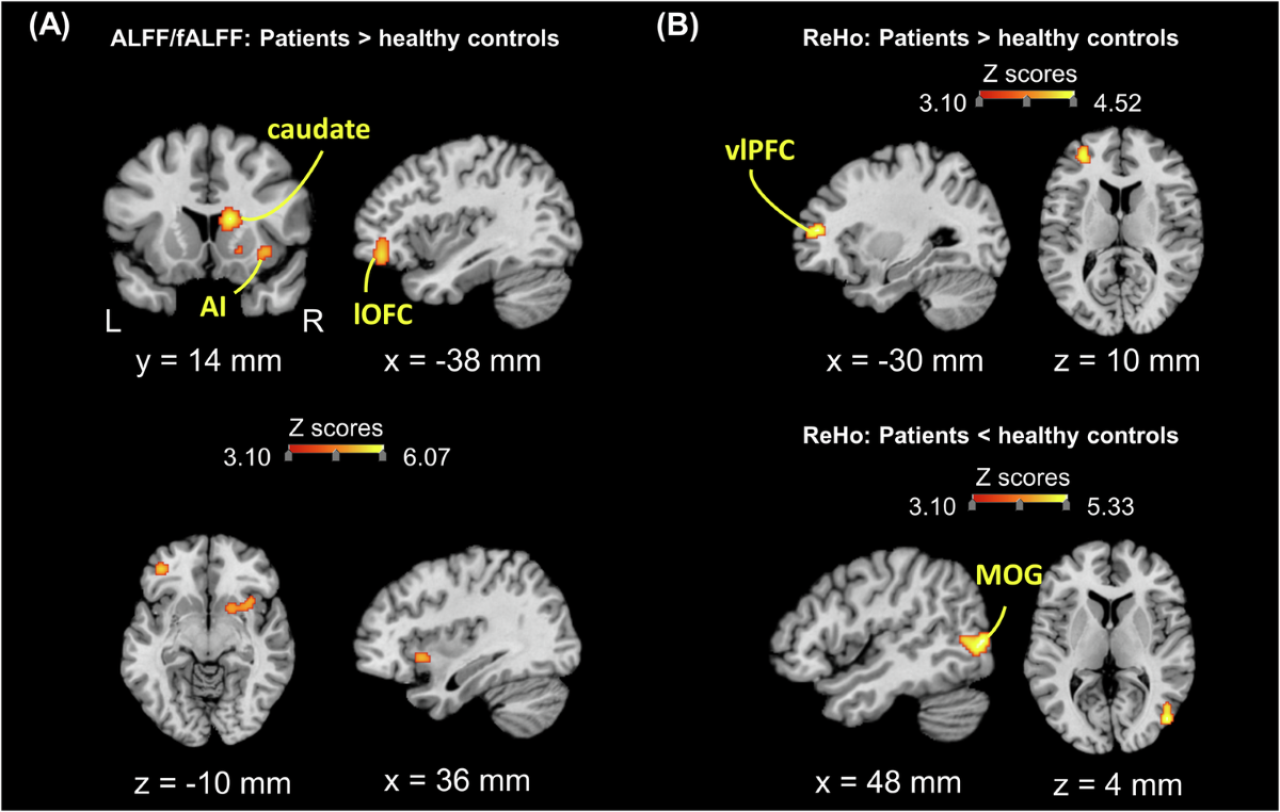
Researchers published a meta-analysis titled "Identification of common spontaneous brain activity alterations across psychiatric disorders" that synthesizes resting‑state functional MRI studies to look for transdiagnostic patterns of altered spontaneous brain activity.
The paper combines coordinate‑based and voxel‑wise meta‑analytic methods, drawing on contemporary procedures including permutation of subject images (PSI) and related voxel‑based approaches to integrate results across studies. The authors followed systematic‑review standards to assemble and compare resting‑state findings across diagnostic categories.
Previous work has reported overlapping circuit disruptions across cases and controls in depression, anxiety, psychosis and obsessive‑compulsive disorder (for example Goodkind et al. 2015; McTeague et al. 2017, 2020). This analysis sets out to map spontaneous activity—the low‑frequency signals measured at rest—onto a common transdiagnostic picture rather than one diagnosis at a time.
The paper frames its results as a step toward identifying neural targets that recur across disorders and that could inform cross‑diagnosis interventions such as neuromodulation or targeted functional imaging studies. The authors note the limitations of pooling heterogeneous clinical samples and imaging pipelines and recommend further work to test whether shared resting‑state signatures predict treatment response or clinical features.
The study does not on its own change clinical practice. It consolidates existing resting‑state literature and highlights candidate commonalities for follow‑up. Researchers and clinicians interested in transdiagnostic biomarkers and neuromodulation targets should read the full paper for region‑level results, inclusion criteria and sensitivity analyses.
Photo credit: media.springernature.com
Tags: resting-state fMRI, psychiatric disorders, meta-analysis, transdiagnostic, voxel-based analysis
Topics: Neuroscience & neuroplasticity, Neuromodulation, Mental health technology