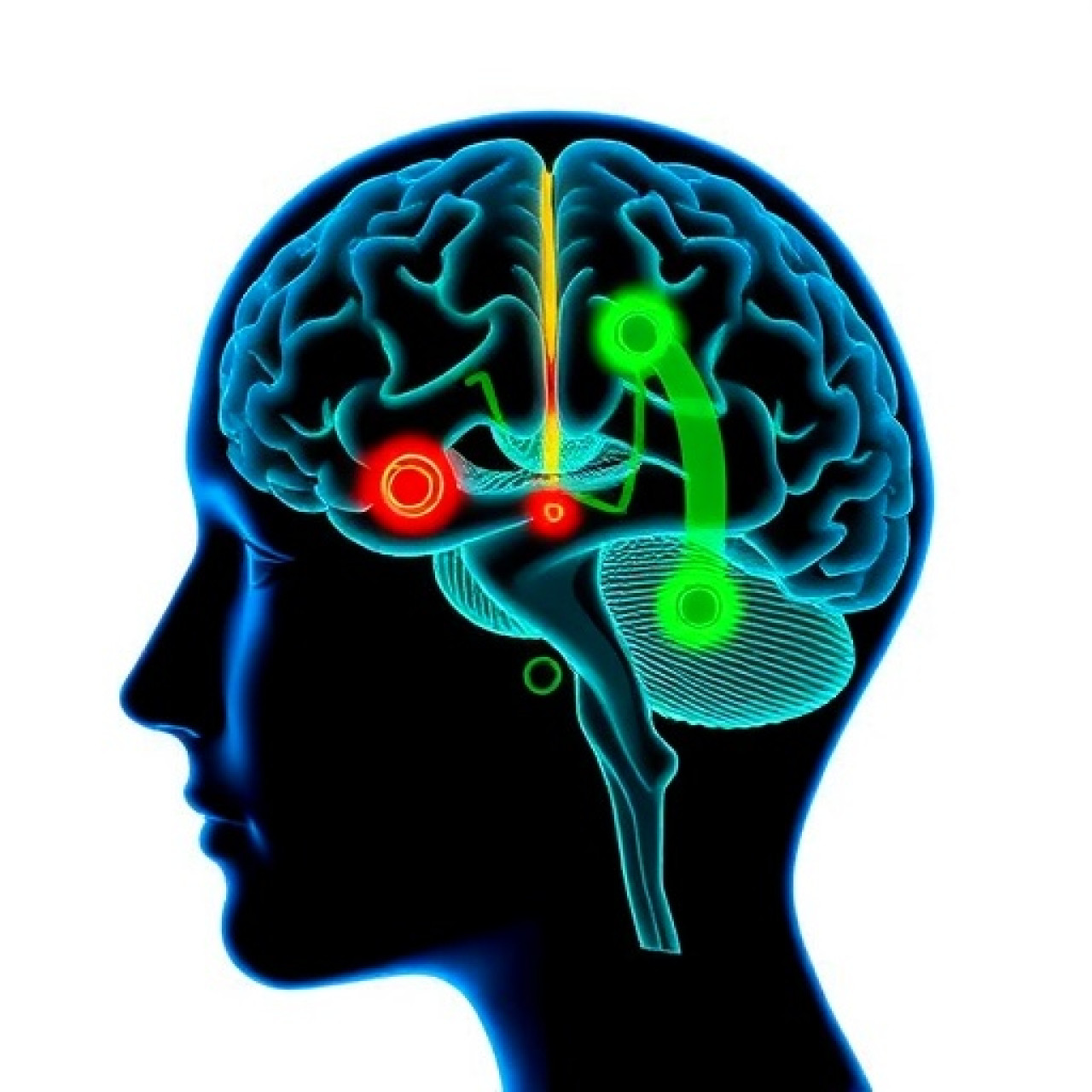
Researchers led by Leavitt, Negahbani and Gharabaghi published a machine learning framework that designs and ranks dual-target deep brain stimulation (DBS) protocols for the subthalamic nucleus (STN) and the substantia nigra (SN). The paper appears in npj Parkinson’s Disease and is available at https://doi.org/10.1038/s41531-026-01406-8.
The team trained predictive models on multimodal data: high-resolution imaging, intraoperative microelectrode recordings and clinical response metrics. They used the models to generate and test stimulation parameter sets in computational simulations rather than in patients.
The simulations predicted that coordinated stimulation of STN and SN can suppress pathological beta-band oscillations linked to bradykinesia and rigidity more effectively than single-site STN stimulation. The models also identified electrode configurations and parameter ranges that reduce activation of nearby fibers, which the authors say could lower risks of speech or mood side effects.
All results reported in the paper come from computational modelling and simulations. The authors do not report clinical trial data. They call for clinical testing to confirm safety and efficacy in patients and for work to integrate their pipeline with closed-loop DBS systems and continuous symptom monitoring.
The study frames dual-target DBS as a parameter-optimization problem where machine learning helps search a large, patient-specific space of electrode placements and stimulation settings. If validated in clinical studies, the approach could enable more individualized DBS programming and faster exploration of multi-site stimulation strategies.
Photo credit: bioengineer.org
Tags: Parkinson's disease, deep brain stimulation, machine learning, subthalamic nucleus, substantia nigra
Topics: Deep brain stimulation, Neuromodulation, Neuroscience & neuroplasticity