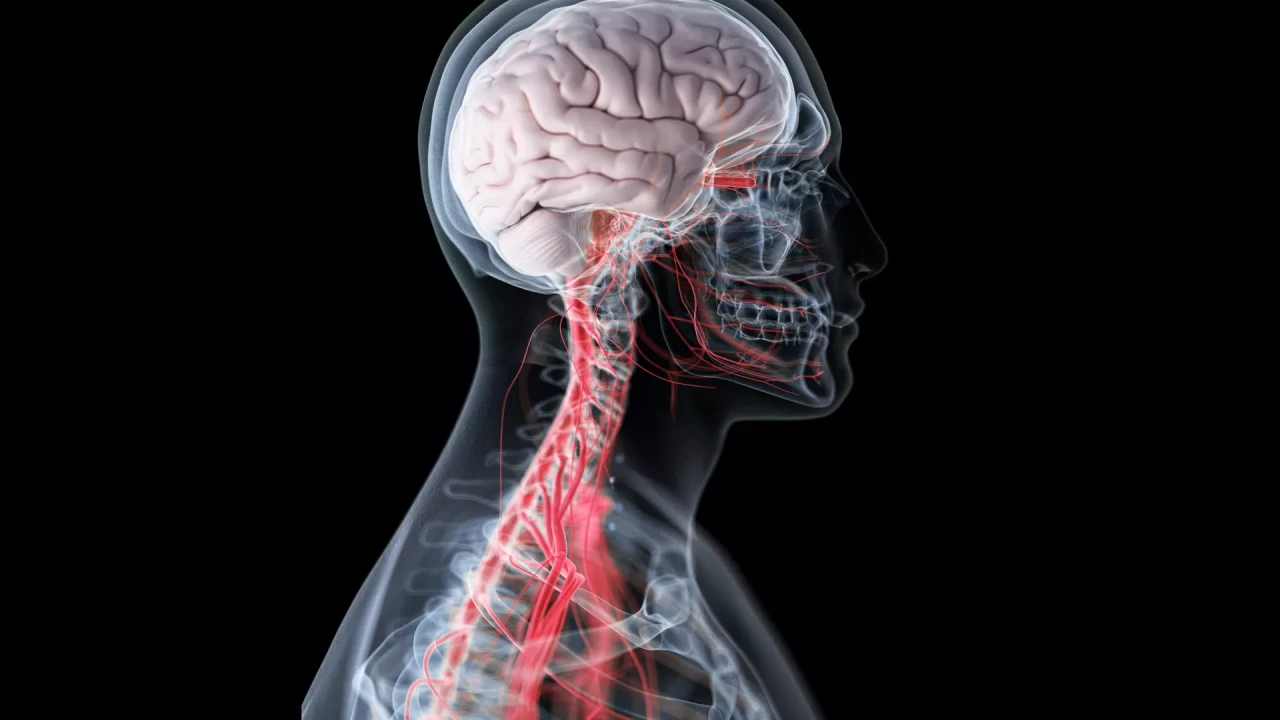
A Perspective by Malbois, Hurst, Rodogno and Guggisberg accepted 6 April 2026 in Frontiers in Human Neuroscience warns that long-term and unsupervised use of transcranial direct current stimulation (tDCS) lacks systematic safety data and needs stronger safeguards.
The authors note that clinical trials report short-term benefits of tDCS for conditions such as depression, stroke and Parkinson’s disease, typically with only minor and transient side effects. They argue, however, that evidence on prolonged use is sparse and that caution is required until more systematic long-term data are available.
The paper highlights a rise in home and unsupervised tDCS use. Devices can be bought online without prescription, and some users assemble their own hardware. The authors identify risks that may arise from extended, uncontrolled application and from do-it-yourself and citizen-science practices.
Malbois and colleagues assess clinical and ethical hazards of prolonged tDCS and propose measures for researchers, regulators and commercial stakeholders. They call for materiovigilance (device safety monitoring), ethically governed research into supervised long-term protocols, and protections for unsupervised users.
The article is open access under a CC BY license. Its central recommendation is procedural: do not treat short-term safety findings as a substitute for coordinated study and oversight of long-term, real-world use.
Photo credit: d2csxpduxe849s.cloudfront.net
Tags: tDCS, transcranial direct current stimulation, safety, citizen science, materiovigilance
Topics: Transcranial electrical stimulation, Non-invasive brain stimulation, Neuromodulation