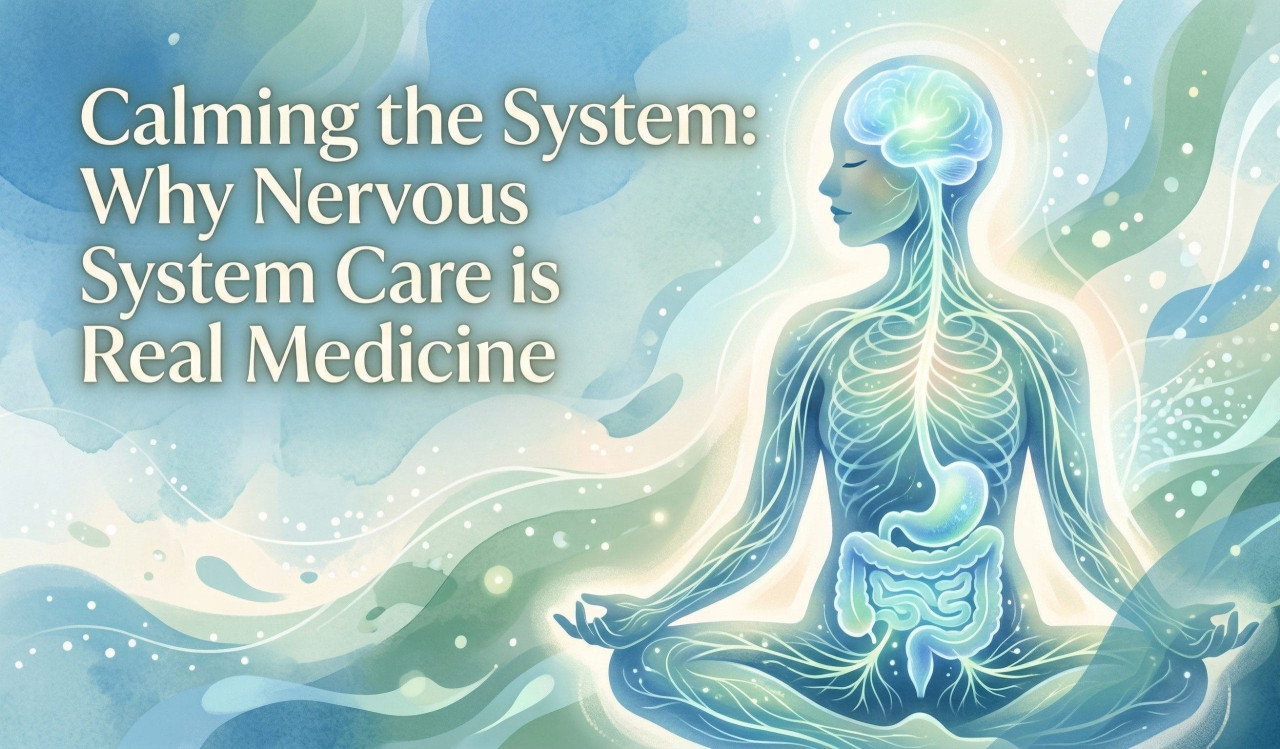
Endometriosis Surgical Specialists International (ESSI) has published a clinical position arguing that activating the parasympathetic nervous system should be a standard component of care for endometriosis, chronic pelvic pain and related gastrointestinal symptoms.
ESSI says nervous-system regulation is not an optional “soft” add-on or a substitute for surgery. The group recommends combining targeted surgery, pelvic-floor rehabilitation and bowel evaluation with therapies that calm autonomic overdrive. ESSI frames parasympathetic activation as a clinical menu of options rather than a single treatment.
The organization lists concrete approaches it uses or recommends, including:
- Breathing techniques and tactile or sensory grounding
- Gut-directed behavioral therapies such as gut-directed cognitive behavioral therapy (CBT) and hypnotherapy
- Pain reprocessing methods and structured coaching
- Pelvic-floor physical therapy and meditative movement like yoga
- Vagus nerve modulation, including noninvasive transcutaneous vagus nerve stimulation (tVNS) devices
ESSI emphasizes individual response. The statement notes that some patients benefit from breathwork or acupuncture, while others do not. The group warns that parasympathetic-focused care does not mean symptoms are psychological. Instead, ESSI frames chronic autonomic activation as a physiological process that can maintain pain, bowel dysfunction and hypervigilance after disease onset.
On neuromodulation, ESSI says noninvasive vagus-nerve approaches can be a useful, non-pharmacologic option for selected patients, but they do not replace diagnostic surgery or other clinical assessments. The organization also highlights gut-directed hypnotherapy as having an evidence base in gastrointestinal care and recommends it for patients with persistent IBS-type symptoms or visceral hypersensitivity.
ESSI’s position calls for integrated care that treats anatomy and nervous-system function together. The group argues clinicians should offer individualized autonomic-regulation strategies alongside surgical and rehabilitative therapies for complex pelvic pain.
Photo credit: internationalendo.com
Tags: endometriosis, pelvic pain, vagus nerve stimulation, gut-directed CBT, pelvic floor physical therapy
Topics: Vagus nerve & taVNS, Neuromodulation, Mental wellness & meditation