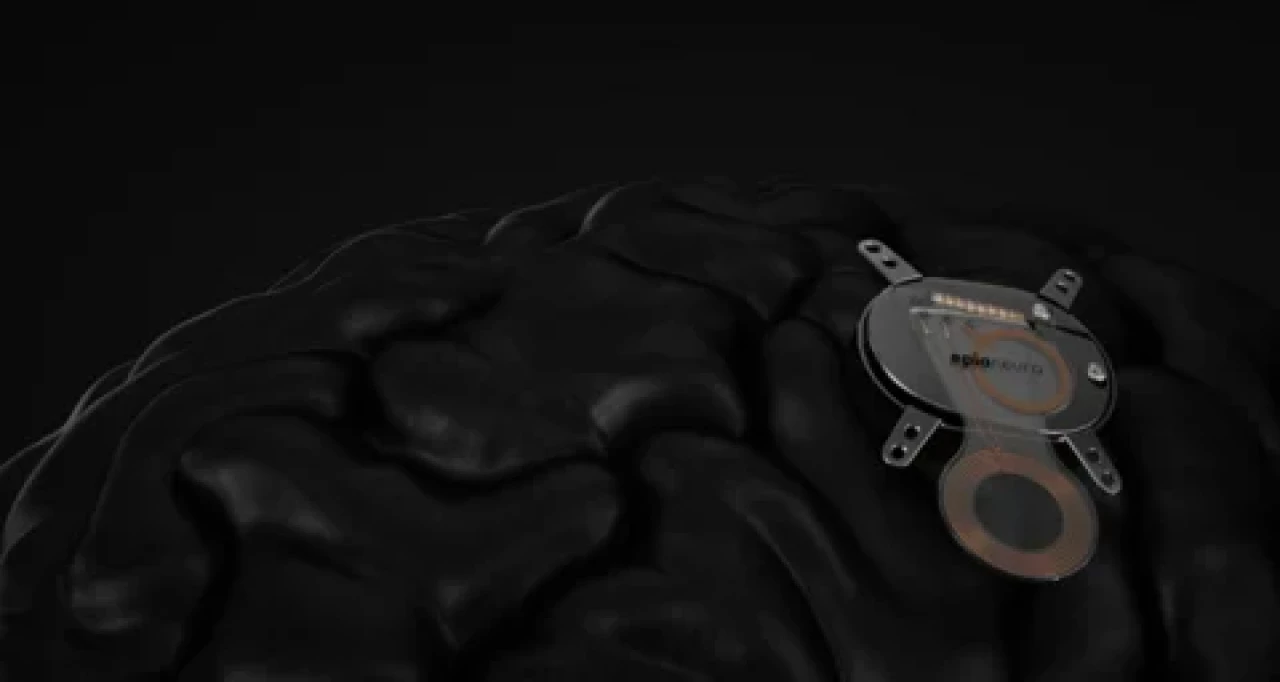
Epia Neuro, a San Francisco medtech startup, announced a neural interface platform aimed at helping stroke survivors translate brain signals into functional movement, the company said in an April 2 release.
The platform centers on a minimally invasive, long-lifetime read/write brain–computer interface (BCI) — a device that records neural activity and can send signals back to assist movement — implanted in the skull in a procedure the company says takes less than an hour. The implant is rechargeable via an external headset and designed to be replaceable later in life.
The system pairs the implant with assistive devices and AI-driven software that the company says learns and interprets a user’s intended movements. "Neural signals are fused with contextual data from external sensors to predict and drive assistive actions, including control of an upper-limb grip-assist motor prosthetic designed to be accessible, simple, and replaceable," Epia said in the release.
Clinical demonstrations are scheduled for later in 2026 at the Department of Neurosurgery at Lenox Hill Hospital in New York, the company said. Epia also plans future trials aimed at offsetting neurological decline.
"Restoring function after neurological injury requires not just decoding signals, but translating them into meaningful, real-world actions for individuals post stroke," said David J. Lin, M.D., Director of Massachusetts General Hospital's Neurorecovery Clinic, in the release. He described Epia’s focus on real-time interpretation of neural intent as potentially useful for day-to-day independence for people with stroke.
Epia’s announcement arrives amid other recent commercial and development activity in implanted BCIs. Weeks earlier, China’s regulator approved a BCI system from Shanghai-based Neuracle for hand movement in spinal cord injury. At the start of 2026, Neuralink said it planned to scale production and surgical automation for its implantable devices.
The company did not publish clinical data with the launch. Key next steps will be the planned first-in-human demonstrations and any subsequent peer-reviewed safety and efficacy results.
Photo credit: qtxasset.com
Tags: brain–computer interface, stroke rehabilitation, neural implant, neuroprosthetic, AI-assisted control
Topics: Neurotech industry & startups, Brain–computer interfaces, Neuroprosthetics & neural implants